Restaurant & Commercial Kitchen Electrical Design: The Complete Guide
Opening a restaurant in Ontario? The electrical design alone can make or break your permit timeline. From 200A to 600A services, kitchen hood interlocks to grease exhaust fans - here's what every owner and contractor needs to know before construction begins.
Why Restaurant Electrical Design is Different
Restaurants are among the most electrically intensive commercial spaces per square foot. A typical 2,000 sq ft restaurant can require a 400A, 120/208V 3-phase service. The combination of heavy cooking equipment, refrigeration, HVAC, lighting, and fire safety systems creates unique engineering challenges that demand specialized expertise.
An undersized electrical service can delay a restaurant project. Owners budget for the kitchen equipment but forget the electrical infrastructure to power it. By the time they realize, the schedule has already slipped.
Typical Electrical Load Breakdown
Understanding where the load comes from is the first step in proper service sizing:
| Equipment Category | Typical Load | Voltage | Notes |
|---|---|---|---|
| Commercial Range/Oven | 15-30 kW | 208V 3~ | Dedicated circuit required |
| Deep Fryers (each) | 10-15 kW | 208V 3~ | Often 2-4 units |
| Walk-in Cooler/Freezer | 3-8 kW | 208V 1~/3~ | Compressor + evaporator fans |
| Dishwasher (Commercial) | 10-20 kW | 208V 3~ | Booster heater adds significant load |
| Kitchen Hood Exhaust | 2-5 kW | 208V 3~ | Must interlock with fire suppression |
| HVAC System | 15-40 kW | 208V/600V 3~ | Makeup air unit often required |
| Lighting (LED) | 3-8 kW | 120V | Dimming controls for dining area |
| POS/IT Systems | 1-2 kW | 120V | Dedicated clean power recommended |
Service Entrance Sizing
Based on the CEC demand factor calculations (Rule 8-210), typical service sizes are indicative only; the calculated load governs:
- Small café (800-1,200 sq ft): 200A, 120/208V, 3-phase
- Full-service restaurant (1,500-3,000 sq ft): 400A, 120/208V, 3-phase
- Large banquet hall (3,000+ sq ft): 600A+ or 347/600V with step-down transformers
Critical note: Toronto Hydro advises that connections can take a few weeks to several months. This must be coordinated early in the design phase.
Kitchen Hood & Fire Suppression Interlocks
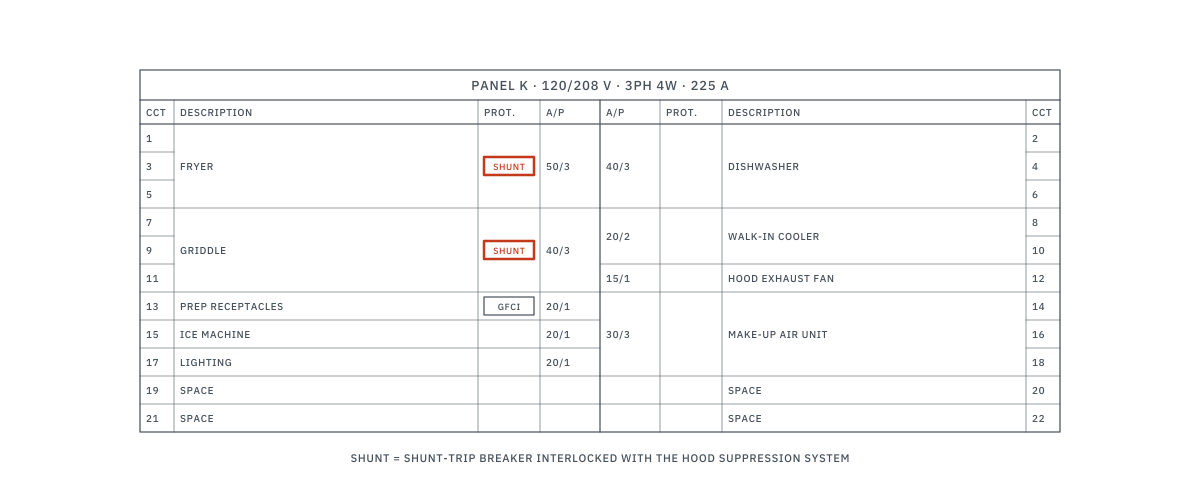
Ontario Building Code and NFPA 96 require specific electrical interlocks between the kitchen hood exhaust system and the fire suppression system. This is a common commissioning and inspection item:
- Fire suppression activation must shut down all cooking equipment under the hood
- Gas valve and the shunt trip breaker must both be operated by the suppression system
- Exhaust fan must continue running after suppression activation
- Makeup air unit must shut down to prevent feeding oxygen to fire
Common Design Mistakes
After designing dozens of restaurant projects across Ontario, these are the errors we see most frequently:
- Undersized service entrance - adding equipment later without capacity is extremely expensive
- Missing GFCI protection - Rule 26-704 requires Class A GFCI protection for 5-15R and 5-20R receptacles within 1.5 m of sinks (wash basins with a drain pipe); confirm the exceptions for the specific kitchen layout
- No emergency lighting plan - OBC requires illuminated exit signs and emergency lighting (supply per OESC Section 46)
- Patio power not planned - outdoor heating, lighting, and receptacles require weatherproof rated equipment
The Permit Checklist
For the building permit and any ESA plan review of a restaurant in Ontario, you typically need:
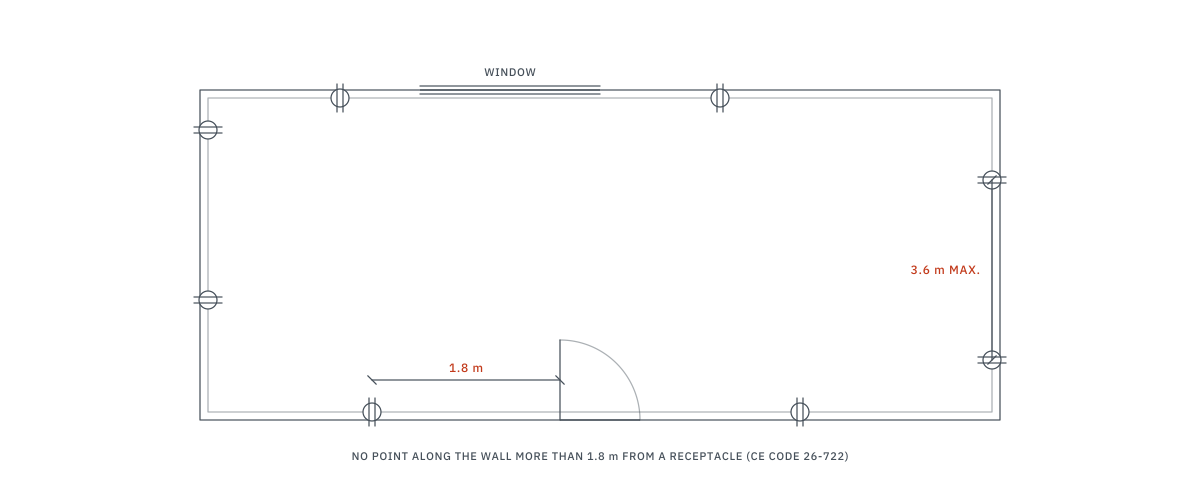
- Electrical floor plan showing all receptacles, equipment, and panel locations
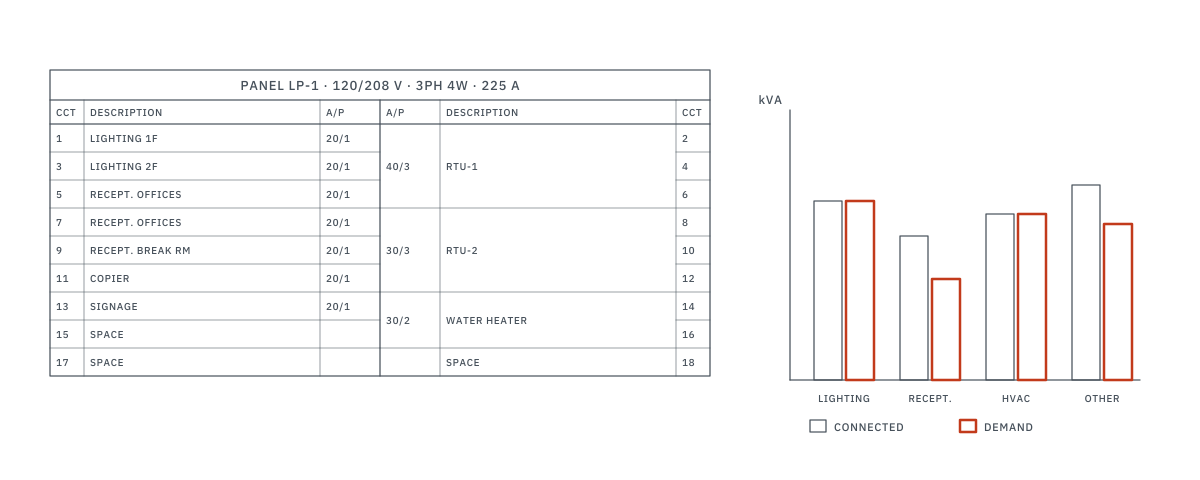
- Panel schedule with load calculations per CEC
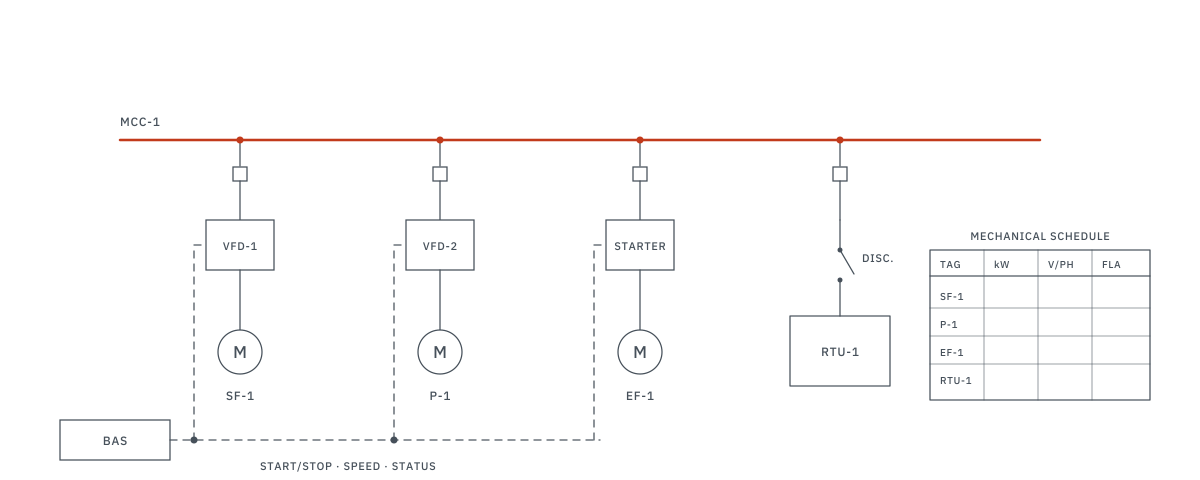
- Single-line diagram showing service entrance, distribution, and metering
- Fire alarm and suppression interlock details
- P.Eng seal and signature (typically required for commercial building permits)
Frequently Asked Questions
What size electrical service does a restaurant need?
Many full-service restaurants need a 400A or larger, 120/208V 3-phase service, depending on kitchen equipment. See our service entrance design guide for sizing methodology.
Do commercial kitchen hoods require electrical interlocks?
Yes. Ontario Building Code and fire code (via NFPA 96) require the hood exhaust fan to run with the cooking equipment and the suppression system to shut off fuel and heating power.
What are the most common electrical mistakes in restaurant design?
Undersized services, missing GFCI protection in wet areas, inadequate receptacle circuits for countertop equipment, and failing to account for future menu changes that add equipment. See our load calculation guide for proper sizing.