2025 Ontario Electrical Safety Code (29th Edition): Key Changes You Need to Know
The 29th Edition of the Ontario Electrical Safety Code (OESC), based on the 2024 Canadian Electrical Code (CEC), came into effect on May 1, 2025. It introduces significant changes to arc fault and ground fault protection, electric vehicle infrastructure, energy storage systems, and more. Here's what every builder, contractor, and engineer needs to know.
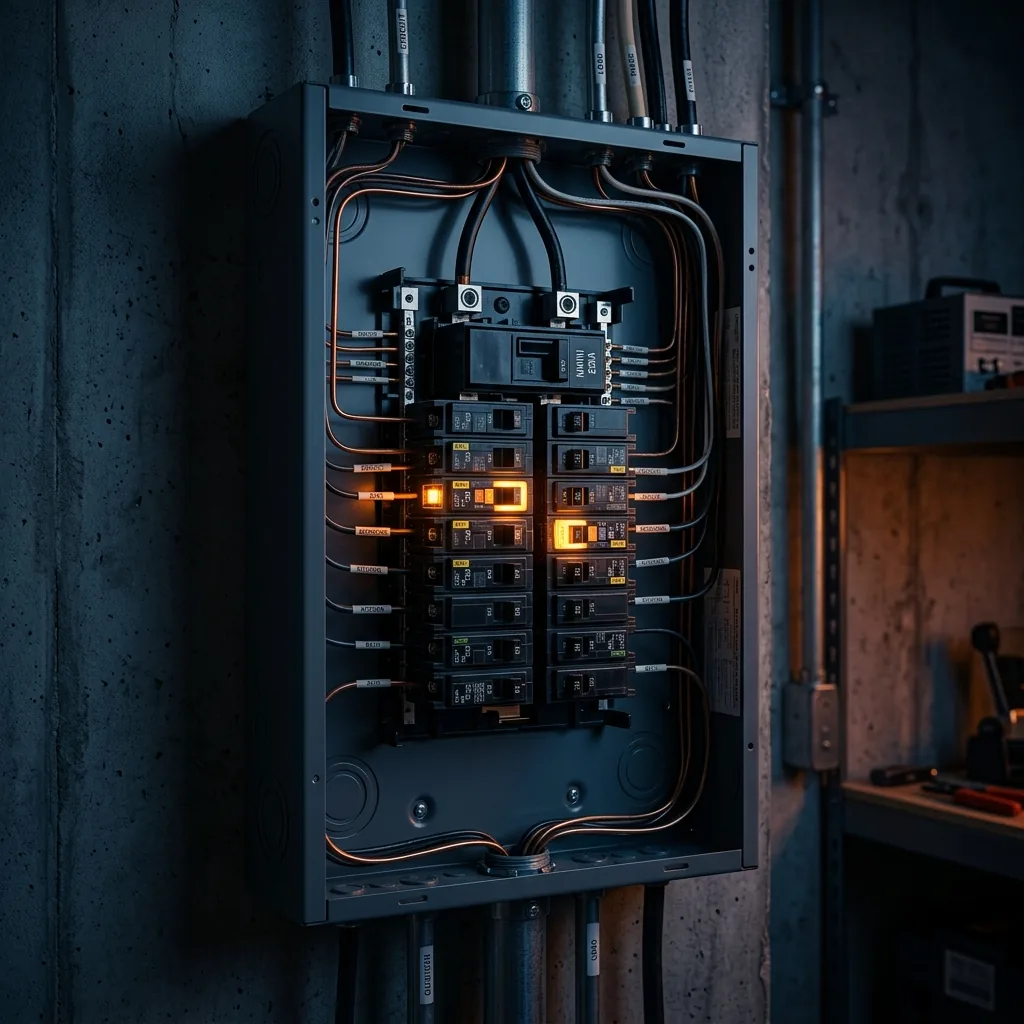
What Changed and When
The OESC is Ontario's adoption of the Canadian Electrical Code with Ontario-specific amendments. The 29th Edition replaces the previous 28th Edition and applies to all new electrical installations and modifications permitted on or after May 1, 2025. Existing compliant installations are not required to be retroactively upgraded unless modifications are made.
1. AFCI Protection Updates
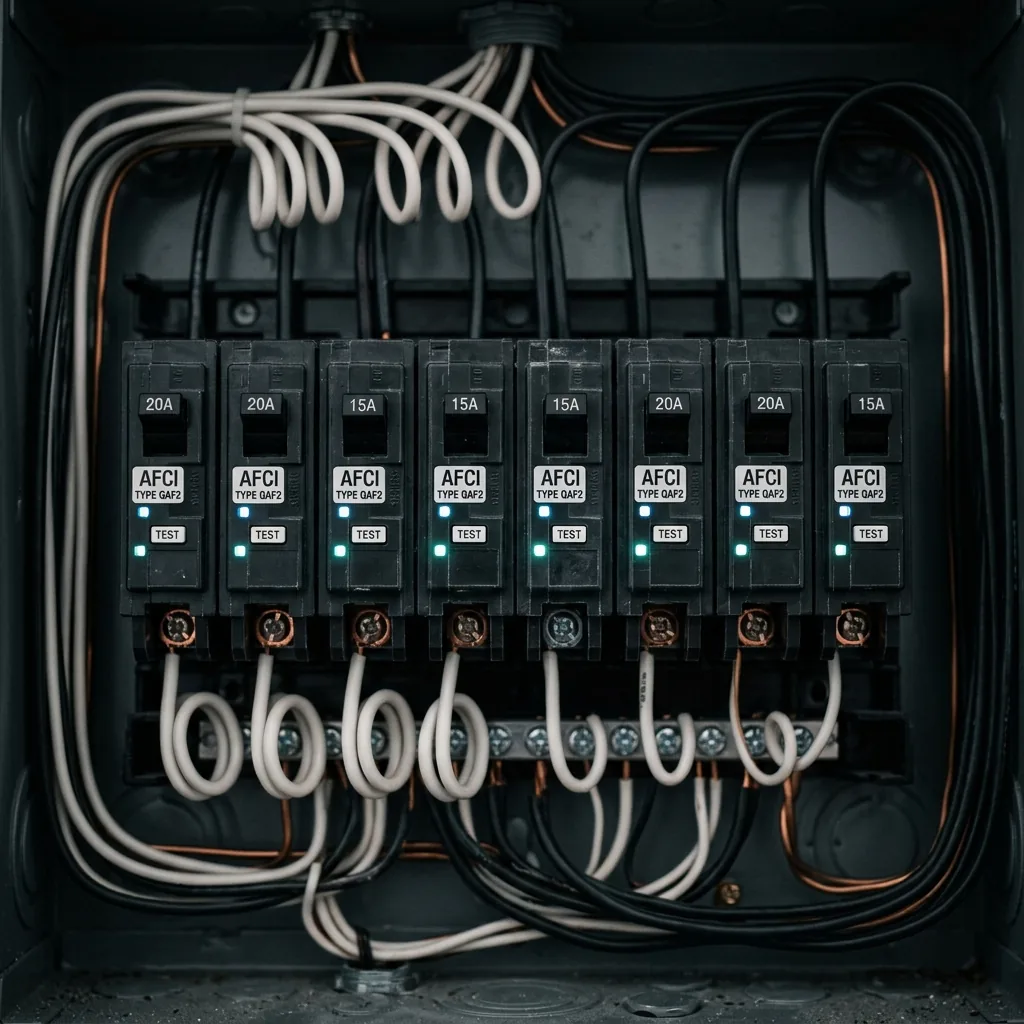
The 2024 CEC continues the trend of expanding Arc Fault Circuit Interrupter (AFCI) requirements. Combination-type AFCI protection under Rule 26-658 applies to branch circuits supplying 125 V receptacles rated 20 A or less in dwelling units, subject to listed exceptions. The table below reflects the general direction of AFCI expansion across CEC editions - verify specific room-by-room and circuit-by-circuit requirements against the full 2024 OESC and ESA technical bulletins for your project.
| Location | Previous Editions | 2024 OESC (29th Ed.) - Verify |
|---|---|---|
| Bedrooms | AFCI required | AFCI required - no change |
| Living rooms, dining rooms, dens | AFCI required | AFCI required - no change |
| Hallways, closets | AFCI required | AFCI required - no change |
| Kitchens (125 V receptacle circuits) | AFCI required where applicable | Verify Rule 26-658 against the exact receptacle and room layout; do not assume every lighting-only circuit is included |
| Recreation rooms, sunrooms | Not required | Now required |
| Laundry rooms (120V) | Not required | Now required |
| Bathrooms | GFCI only | GFCI only - no AFCI required |
| Garage | GFCI only | GFCI only - no AFCI required |
Important: The AFCI requirement details above are based on the general progression of the CEC. Always verify against the actual 2024 OESC rules (Rule 26-658 and related) and ESA bulletins before finalizing your design. Specific Ontario amendments may modify the CEC base requirements.
2. GFCI Protection Updates
Ground Fault Circuit Interrupter (GFCI) requirements have also been updated. The ESA has confirmed changes related to outdoor receptacles for single dwellings. The table below reflects the general scope of GFCI requirements - verify specific requirements against the full 2024 OESC and ESA bulletins.
| Location | What Changed - Verify Against OESC |
|---|---|
| Outdoor receptacles (single dwellings) | Confirmed by ESA: updated requirements for weather-resistant "in-use" covers; enhanced GFCI protection |
| Bathrooms | GFCI required - no change (already required) |
| Garages / accessory buildings | GFCI required - no change (already required) |
| Kitchen / laundry / unfinished basements | GFCI may apply depending on circuit type and location - verify against Rule 26-700 and Ontario amendments |
3. Electric Vehicle (EV) Infrastructure
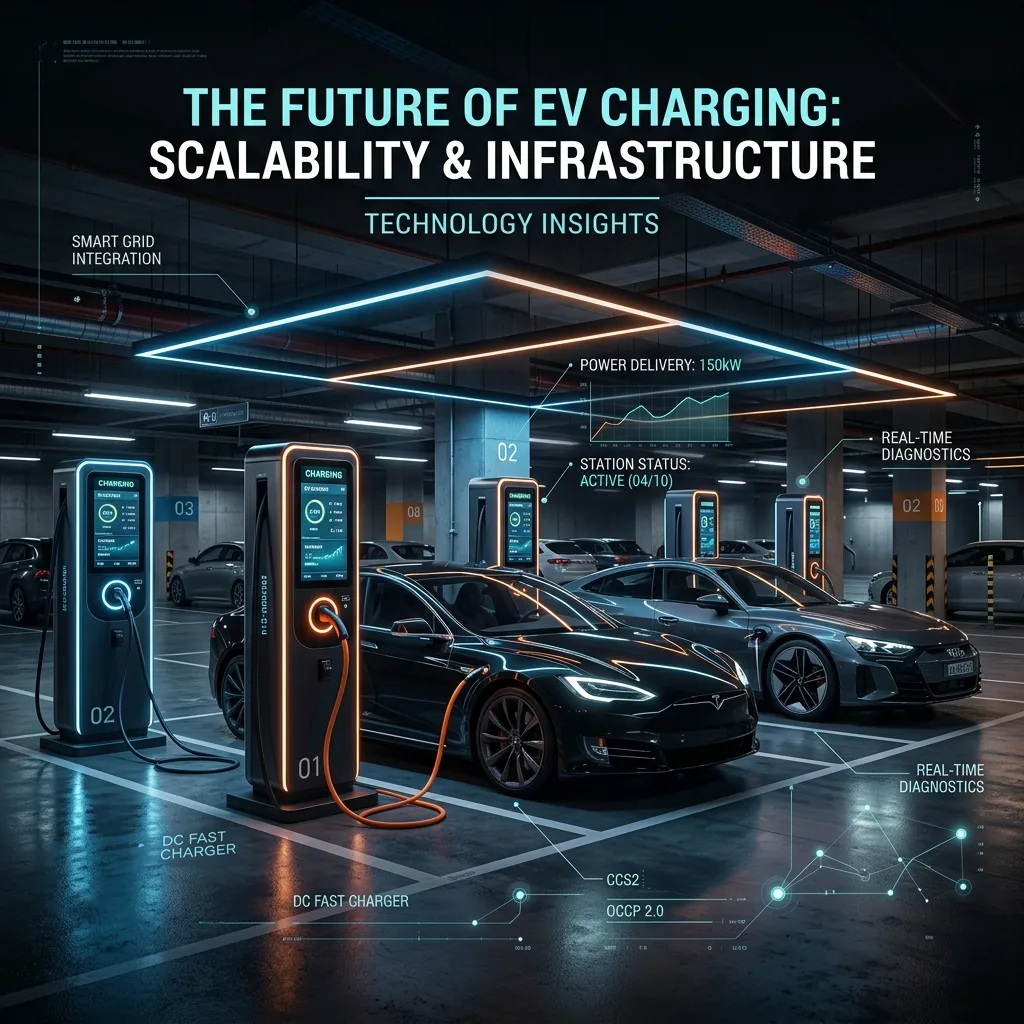
The 29th Edition introduces important updates for EV Supply Equipment (EVSE) installations, reflecting Ontario's push toward electrified transportation.
- Revised demand load calculations - Rule 8-106 now includes updated demand factors for single dwellings with EVSE loads, making it easier to add EV chargers without oversizing the service
- Energy Management Systems (EMS) - the code now formally recognizes load management systems that can control EV charging demand, potentially eliminating the need for service upgrades
- Higher allowable voltages - certain EVSE installations may now operate at higher voltages, aligning with newer equipment standards
- Plan review requirements - certain EVSE installations trigger ESA plan review. See the current ESA Electrical Plan Review guide for the July 2026 12 kW threshold and submission requirements.
Note: Ontario Bill 52, the EV-Ready Homes Act (Electric Vehicle Charging), 2025, has been introduced and ordered for Second Reading, but has not yet been enacted into law as of May 2026. It would amend the Building Code Act to mandate EV-ready infrastructure in new homes. Meanwhile, some municipalities (e.g., City of Toronto Green Standard) already require EV-ready wiring. The OESC governs the safety of EV installations regardless of building code mandates.
4. Energy Storage Systems (ESS)
With the growing adoption of residential battery systems (e.g., Tesla Powerwall, Enphase IQ), the code has completely rewritten installation requirements for battery-based energy storage systems in residential buildings.
- Dedicated section for ESS installations with specific requirements for disconnecting means, overcurrent protection, and grounding
- Ventilation requirements - proper ventilation and temperature management for lithium-ion battery installations
- Labeling requirements - clear identification of ESS equipment, disconnects, and interconnection points
5. Pools, Hot Tubs, and Equipotential Bonding
Enhanced equipotential bonding requirements have been introduced for pools and hot tubs to further prevent shock hazards:
- Updated bonding grid requirements for in-ground pools
- Clearer specifications for bonding conductive pool shells, metal fittings, and surrounding metallic structures
- Revised requirements for GFCI protection of pool pump and lighting circuits
6. Labeling and Panel Load Management
The 29th Edition introduces more specific requirements for circuit labeling and load management:
- Maximum load labeling - panels must now display the maximum calculated load to prevent future overloading when circuits are added
- Circuit directory - more detailed circuit identification requirements to aid future maintenance and modifications
What This Means for Your Project
| If You Are... | Action Required |
|---|---|
| Building a new home | AFCI/GFCI expansions may affect many 125 V receptacle circuits. Budget for additional combination AFCI/GFCI protection where required, and check municipal bylaws for EV-ready wiring requirements. |
| Renovating an existing home | Any new or modified circuits must comply with the 29th Edition. Existing compliant circuits are grandfathered. |
| Installing an EV charger | Use updated Rule 8-106 demand factors. Consider EMS for load management to avoid service upgrade costs. |
| Adding battery storage | Follow the completely rewritten ESS section. ESA plan review may be required. |
| A contractor or builder | Ensure your team is trained on the new requirements. Electrical work conducted after May 1, 2025 must comply with the 2024 OESC (29th Edition). |
ESA Resources
- Electrical Safety Authority (ESA) - official code information and technical bulletins
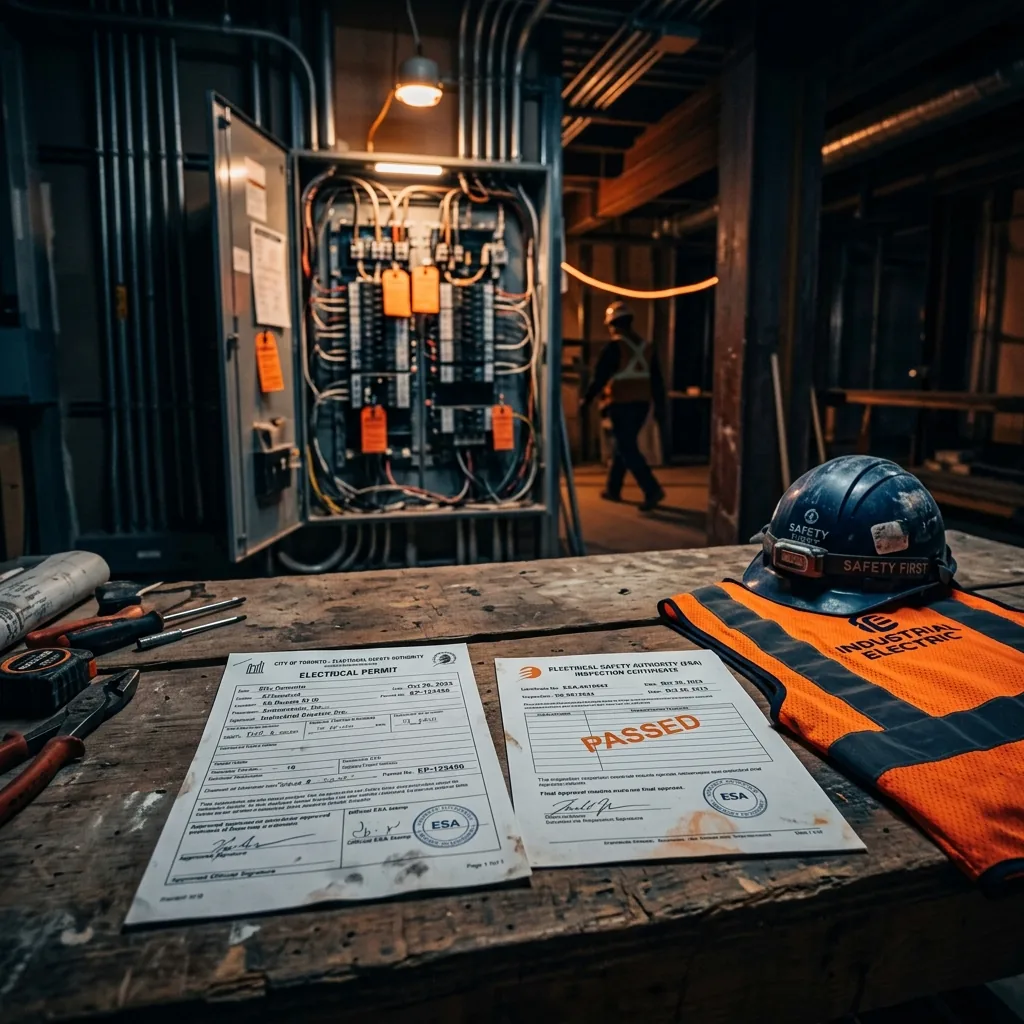
- ESA Notifications & Inspections - how to file permits and request inspections
Frequently Asked Questions
When does the 2024 OESC take effect?
The 29th Edition came into effect May 1, 2025. All new electrical permits must comply from that date.
What are the biggest changes?
Expanded AFCI requirements, updated GFCI rules, new EV infrastructure provisions (Section 86), energy storage rules, and enhanced panel labeling.
Are AFCI breakers required in all rooms now?
The 29th Edition expands AFCI requirements beyond bedrooms. See our AFCI requirements guide for specific room-by-room details.
Planning OESC Compliance?
ETEM can review the proposed scope, existing conditions and applicable approval requirements to determine the engineering documentation needed for the project.
Need Help with OESC Compliance?
ETEM Engineering provides P.Eng stamped electrical designs fully compliant with the 2025 OESC (29th Edition) - from residential renovations to commercial new construction.
Get a Free Consultation