Battery Energy Storage Systems (BESS): The Complete Electrical Design Guide for Ontario
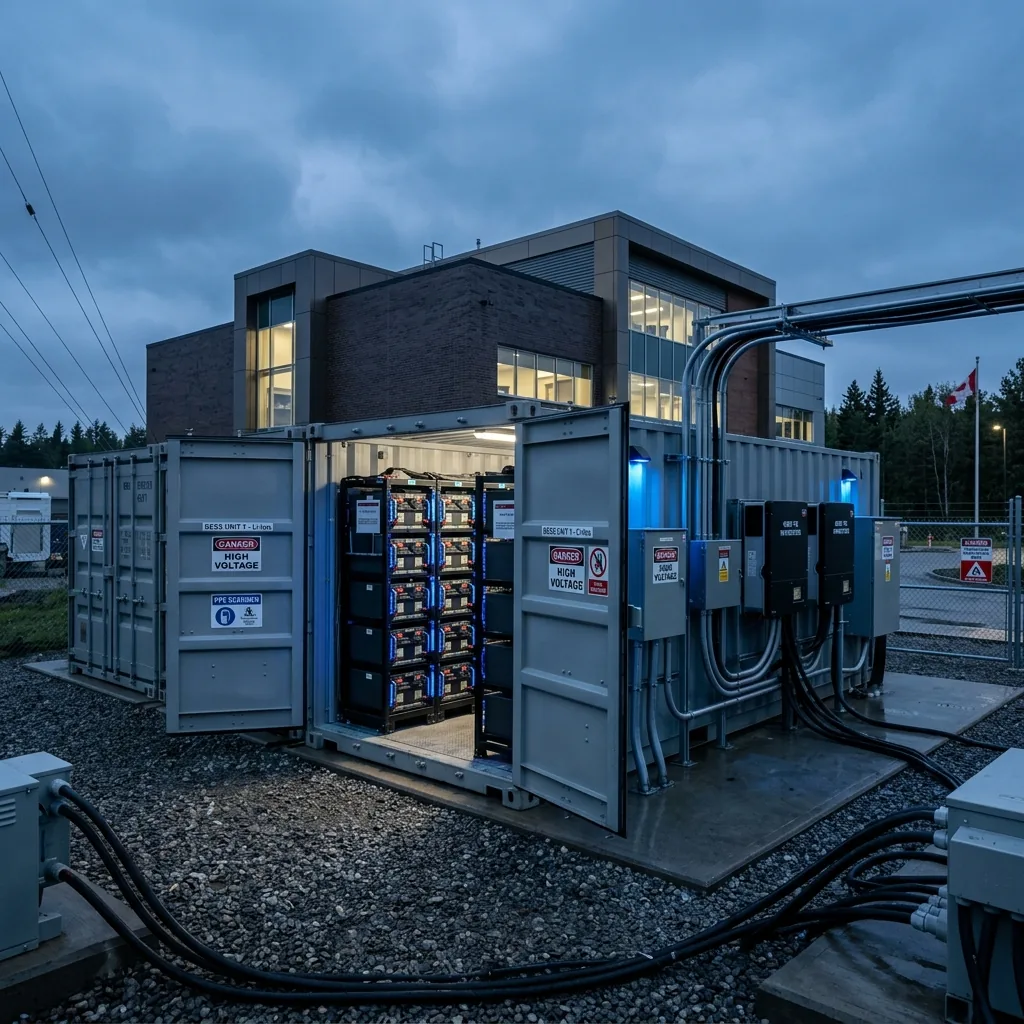
Battery energy storage is no longer experimental - it's the fastest-growing segment in Ontario's electrical infrastructure. From peak shaving in commercial buildings to grid-scale renewable integration, BESS projects are accelerating. But the electrical design requirements are complex, spanning CEC rules, UL certifications, fire codes, and utility interconnection agreements. This guide covers everything an engineer or building owner needs to know.
Why BESS is Exploding in Ontario
Three forces are driving BESS adoption across Ontario:
- Global Adjustment charges: Ontario's Class B customers pay demand charges that can exceed $15/kW - BESS enables peak shaving that pays for itself in 3-5 years
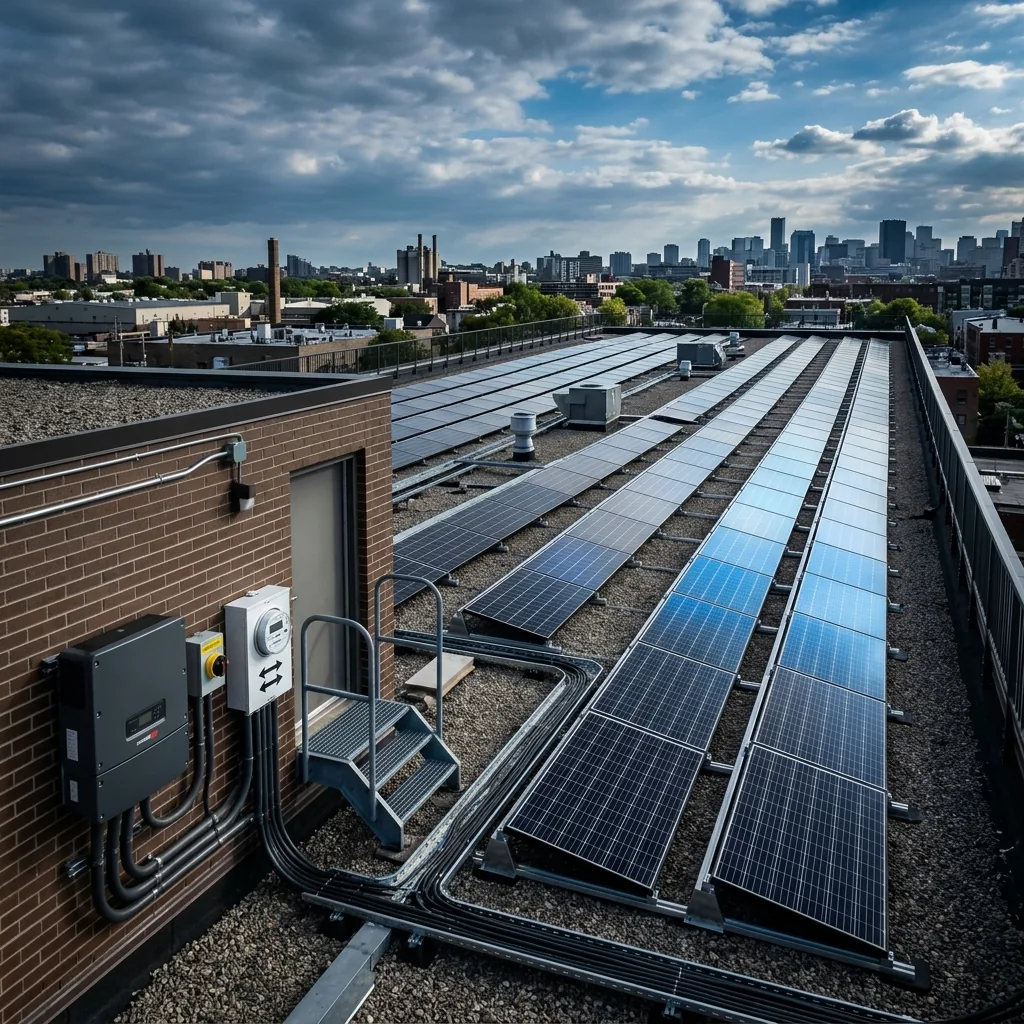
- Solar + Storage economics: With net metering evolving, behind-the-meter storage maximizes self-consumption of on-site solar generation
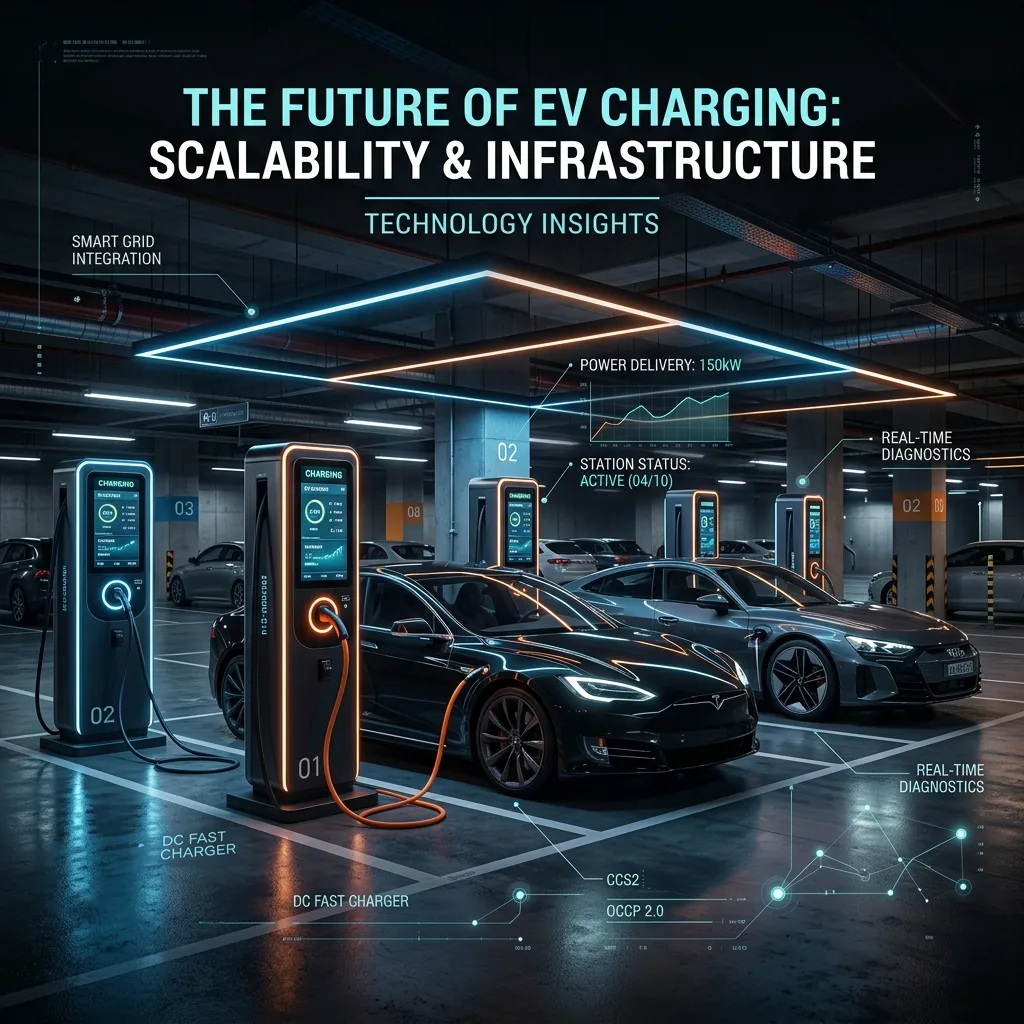
- EV charging demand: Level 3 DC fast chargers create massive demand spikes - BESS buffers these peaks without costly utility upgrades
Applicable Codes and Standards
BESS design in Ontario requires compliance with a matrix of overlapping codes. Missing even one can halt your project:
| Standard | Scope | Why It Matters |
|---|---|---|
| CEC Part I (CSA C22.1) | All electrical wiring and connections | Foundational - every conductor, disconnect, and overcurrent device must comply |
| UL 9540 / CSA C22.2 No. 340 | Complete BESS system safety | System-level certification - batteries + inverters + controls tested together |
| UL 1973 | Battery cell and module safety | Ensures individual battery units meet thermal, mechanical, and electrical safety |
| UL 9540A | Thermal runaway fire propagation | Required by fire marshals to assess worst-case fire scenarios |
| NFPA 855 | Installation of stationary energy storage | Siting, separation distances, ventilation, fire suppression requirements |
| CSA C22.2 No. 107.1 / UL 1741 | Inverter safety and grid interconnection | Anti-islanding protection - prevents backfeeding the grid during outages |
| Ontario Building Code (OBC) | Building integration | Structural loads, fire ratings, egress paths near BESS installations |
| ESA Bulletin 64-2 | Ontario-specific requirements | ESA's guidance on energy storage installations - often requested at inspection |
BESS Sizing: The Engineering Process
Proper BESS sizing starts with understanding your load profile. The key parameters:
| Parameter | Unit | How to Determine |
|---|---|---|
| Peak demand | kW | 12-month utility billing data - highest 15-min demand reading |
| Target demand reduction | kW | Financial analysis - how much peak shaving pays back within ROI target |
| Discharge duration | hours | Load profile analysis - how long does the peak typically last? |
| Energy capacity | kWh | kW - hours - depth of discharge factor (typically 80-90% for lithium-ion) |
| Round-trip efficiency | % | Typically 85-92% for lithium-ion - energy lost in charge/discharge cycle |
Example: A 500 kW commercial building with 2-hour peaks needs a minimum 500 kW / 1,000 kWh system. Accounting for 85% depth of discharge and 90% round-trip efficiency: 1,000 ÷ 0.85 ÷ 0.90 1,307 kWh nameplate capacity.
Electrical System Architecture
A BESS connects to the building's electrical system through several critical components:
- Battery modules: Lithium-ion (LFP or NMC chemistry) rack-mounted in climate-controlled enclosures
- Battery Management System (BMS): Monitors cell voltage, temperature, and state of charge - triggers shutdown on anomaly
- Bidirectional inverter: Converts DC battery power to AC (and vice versa) - must be UL 1741 / CSA C22.2 No. 107.1 listed
- AC disconnect: Visible, lockable disconnect per CEC - required at the point of common coupling (PCC)
- DC disconnect and fusing: String-level protection per CEC Section 64 - sized for maximum fault current
- Revenue-grade metering: Required by utility for net metering or demand response program participation
Utility Interconnection: Hydro One & Toronto Hydro
Connecting a BESS to the grid in Ontario requires formal utility approval. The process mirrors service entrance connections but adds energy export considerations:
- Connection Impact Assessment (CIA): Required for systems >10 kW - utility evaluates grid capacity to accept your system
- Anti-islanding protection: UL 1741 SA (smart inverter) compliance - prevents energizing the grid during utility outages
- Protection relay coordination: Must coordinate with utility's relay settings to prevent nuisance tripping
- ESA permit: Ontario electrical permit required - ESA inspects the complete installation
Fire Safety: The Critical Design Constraint
Lithium-ion battery fires are rare but catastrophic. Ontario fire marshals are increasingly scrutinizing BESS installations. Key requirements per NFPA 855:
| Requirement | Indoor Installation | Outdoor Installation |
|---|---|---|
| Fire-rated room | 2-hour fire rating minimum | N/A (separation distance instead) |
| Separation distance | N/A | 3m from buildings, 1.5m between units |
| Ventilation | Mechanical - sized for thermal runaway gas volume | Natural ventilation typically sufficient |
| Fire suppression | Clean agent or water mist system | Fire department access required |
| Gas detection | Required - H2, CO, and VOC sensors | Required inside containerized systems |
| Explosion control | Deflagration venting or suppression | Container venting per UL 9540A test results |
| Signage | NFPA 70E + NFPA 855 labels on all access points | Same - plus reflective markers for night access |
UL 9540A testing is the single most important document your fire marshal will request. It proves your specific battery chemistry has been tested for thermal runaway propagation at the cell, module, and unit level. No UL 9540A report = no fire marshal approval.
Common Design Mistakes
- Undersizing conductors: BESS operates at high DC currents - voltage drop on DC strings directly reduces efficiency and can cause overheating
- Ignoring harmonics: Bidirectional inverters inject harmonics - IEEE 519 compliance is required at the PCC
- Missing arc flash analysis: BESS DC systems can sustain arcs - arc flash studies must include the battery system
- No grounding study: DC grounding in BESS systems requires careful analysis - improper grounding can create stray current and corrosion issues
- Skipping the load study: Without a proper load calculation, BESS systems are either oversized (wasted capital) or undersized (insufficient peak shaving)
Frequently Asked Questions
What codes govern BESS in Ontario?
UL 9540, CEC Section 64, NFPA 855, and CAN/CSA-C22.2 No. 340. See our solar PV guide for related standards.
How do you size a BESS?
Load profile analysis, use case definition, discharge duration, and degradation factor. See our load calculation guide.
What fire safety is needed for BESS?
NFPA 855 for spacing/ventilation, UL 9540A thermal runaway testing, and 2-hour fire separation for indoor installations.
Planning BESS Electrical Design?
ETEM can review existing electrical capacity, distribution constraints and proposed loads to define the required design and upgrade scope.
Need a BESS Electrical Design?
ETEM Engineering provides complete battery energy storage system design - from load analysis and sizing through utility interconnection, ESA permitting, and commissioning support. We work with all major BESS manufacturers.
Get a Free Consultation